
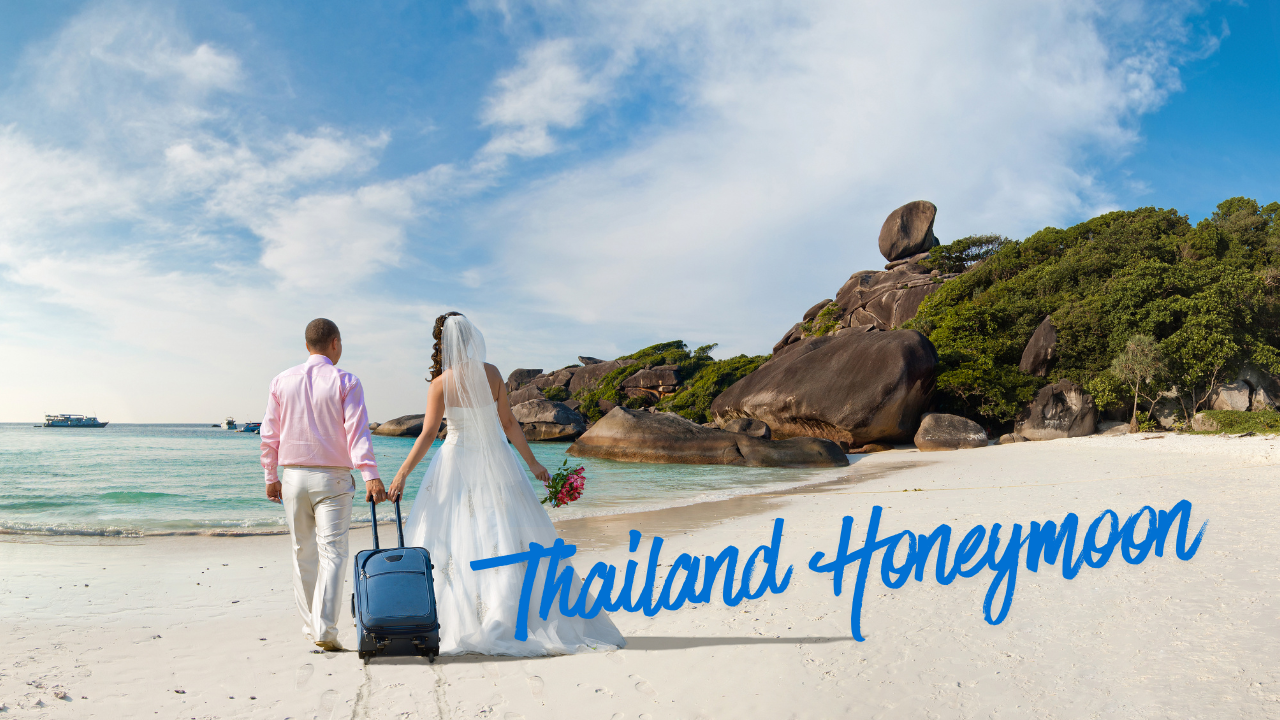
There’s a reason Thailand keeps ending up at the top of every honeymoon shortlist and it has nothing to do with generic bucket lists. This is a country where $200 a night can get you a private pool villa with an ocean view, where a candlelit dinner on the beach costs less than brunch back home, and where the gap between “we have $4,000” and “we have $12,000” doesn’t determine whether you have a magical trip. It determines which kind of magical trip.
But planning a Thailand honeymoon from the US involves real decisions that most travel guides gloss over — which islands actually suit couples (versus the ones that attract spring-break energy), how to structure 10 or 14 days without turning it into an exhausting transit marathon, and whether the hype from White Lotus Season 3 means you’ll be fighting crowds at Koh Samui’s Four Seasons.
This guide covers all of it.
Why Thailand Keeps Winning for Honeymoons
Koh Samui, Thailand ranked as the top honeymoon destination globally for 2025–2026 according to editors at The Knot, but the island is just one piece of what makes a Thailand honeymoon so compelling. The country offers something genuinely rare: meaningful variety within a single trip. You can spend three days in Bangkok eating at rooftop restaurants and taking a private Chao Phraya river cruise, then fly 90 minutes south and wake up on a beach so quiet you forget other people exist.
After the White Lotus effect lifted tourism in Hawaii and Sicily by 300% year-on-year following their respective seasons, Thailand — particularly Koh Samui, Bangkok, and Phuket, where Season 3 was filmed — is bracing for similar demand from North American travelers. That’s not a reason to avoid it. It is a reason to book accommodation early and think carefully about which version of Thailand you actually want.
For American couples making a 20-plus hour journey, the calculus is simple: this destination delivers more per dollar and per day than almost anywhere else on earth.
Visa, Entry, and Practical Logistics for Americans
A US passport valid for at least six months from your entry date is required, and stays under 30 days don’t require a tourist visa. For most honeymooners, that’s all the paperwork involved — no embassy appointment, no advance application.
Thailand has introduced a new arrival card that travelers must fill out with personal information, stay duration, and accommodation details — a straightforward digital form you’ll complete before landing. Check the Thai Embassy’s official website before you travel, as entry requirements have been shifting.
From anywhere in the US, expect 20 to 30 hours of total travel time. That’s not a deterrent — it’s a planning variable. Flying into Bangkok’s Suvarnabhumi Airport (BKK) is the standard entry point. Don’t book an activity-heavy Day 1. Build in a recovery night at a good Bangkok hotel, and your honeymoon starts properly on Day 2.
One note that gets overlooked: travel insurance is not optional — medical costs in Thailand’s private hospitals can be significant for emergencies. Buy a policy that covers emergency evacuation. It costs $80–150 for a two-week trip and gives you complete peace of mind.
When to Go: The Honest Breakdown
Most guides tell you “November to April is best” and leave it there. The reality is more useful than that.
The dry season runs November through March, with temperatures in the low-to-mid 30s Celsius, clear skies, and about nine hours of daily sunshine — ideal for beach time and island hopping. December and January are the most popular months, which means crowds at well-known spots and peak pricing at resorts.
May and June sit in a sweet spot: relatively dry weather, temperatures in the late 20s to low 30s, fewer tourists, and hotel rates that can drop 30–50% compared to peak season. If your wedding date falls in spring or early summer, don’t dismiss those months — especially if you’re prioritizing budget or a less crowded experience.
The east coast islands (Koh Samui, Koh Phangan) and west coast islands (Phuket, Krabi, Koh Lanta) have opposite rainy seasons, which matters for island-hopping itineraries. The Andaman side (Phuket, Krabi) gets most of its rain May through October, while the Gulf coast islands like Koh Samui generally receive less rain than the rest of the country during those same months.
Practical takeaway: If you’re going in October or November, base yourself on the Gulf coast side. December through April, either coast works beautifully.
Choosing Your Thailand Honeymoon Destinations
This is where most couples make their biggest mistake: trying to see too much. Moving from destination to destination every two days is exhausting and time-consuming — ideally, choose two main destinations with a few day trips for a much more relaxed honeymoon.
Here’s how different combinations work for different couples:
Bangkok (2–3 Nights)
Nearly every flight from the US arrives here, which makes Bangkok a logical first stop. The city earns its place on a honeymoon itinerary on its own merits: rooftop bars, riverside fine dining, luxury spas, and a food scene that will ruin you for anywhere else. The Mandarin Oriental Bangkok, open since 1876, and the newer Capella Bangkok are benchmarks for romantic accommodation. Don’t skip the Chao Phraya at night — a private longtail boat ride costs next to nothing and feels genuinely cinematic.
Chiang Mai (2–3 Nights)
Moving from cultural northern Chiang Mai to the beaches involves a flight, a drive to the ferry port, and a ferry or private speedboat — it takes more time than it looks on a map. Build that transfer time into your itinerary. Chiang Mai itself rewards couples who want something beyond beach relaxation: a candlelit dinner inside the Old City walls, a sunrise hot air balloon over rice fields, a private cooking class. It’s the part of a Thailand honeymoon that photographs differently from everyone else’s.
Koh Samui
With around 40 beaches, Koh Samui offers enough variety that couples can find a stretch of sand to call their own, and the island has the infrastructure (international airport, consistent ferry service, excellent medical facilities) that makes it genuinely convenient. The Four Seasons Resort Koh Samui — one of the White Lotus filming locations — offers villa-style accommodations with private plunge pools overlooking the Gulf. Expect demand to remain elevated through 2026.
Phuket and Krabi
Phuket is Thailand’s largest island: polished, resort-heavy, and well-suited to couples who want private pool villas, world-class diving, and day trips to Phang Nga Bay’s iconic limestone karsts. Luxury properties like Trisara and COMO Point Yamu promise intimate settings, romantic experiences, and real privacy.
Krabi is the less-developed alternative — the kind of place where you take a longtail boat to a beach that’s only accessible by water and share it with five other people. If raw natural beauty matters more than resort amenities, Krabi wins.
The Quieter Islands: Koh Lanta, Koh Yao Noi, Six Senses Yao Noi
For couples who want to genuinely disconnect, Koh Lanta sits on the Andaman Sea with boutique beach bungalows and far less tourist density than the big-name islands, while Koh Yao Noi — home to Six Senses Yao Noi, one of Southeast Asia’s most acclaimed luxury resorts — offers a kind of stillness that’s hard to find anywhere in the region.
What a Thailand Honeymoon Actually Costs
Americans are often surprised by how far their money goes here. On the right islands, $120 a night can secure a private beachfront villa with ocean views, a couples’ massage at a luxury spa runs about $40 for 90 minutes, and a grilled whole snapper on the beach costs around $8.
That said, Phuket and Koh Samui have converged toward European beach destination pricing during peak season. Private pool villas in Phuket and Koh Samui run roughly $560–$2,250 per night, while peak season rates exceed low season by 40–50%.
A realistic breakdown for two people, 10 nights:
- Budget-focused (Koh Lanta or Koh Chang, guesthouses, street food): $3,500–$5,000 including flights
- Mid-range (one or two islands, boutique resort, mix of restaurants): $6,000–$9,000 including flights
- Luxury (Koh Samui Four Seasons or Six Senses Yao Noi, private transfers, fine dining): $12,000–$20,000+ including flights
The sweet spot for most American couples is mid-range: good accommodation, private experiences, and the freedom to splurge on things that actually matter to you rather than everything.
Romantic Experiences Worth Building Your Itinerary Around
The Thailand honeymoon experiences that actually stick aren’t the ones on every listicle. A few worth seeking out:
Phang Nga Bay by longtail boat — The limestone karst formations rising from the Andaman Sea are genuinely one of the most extraordinary seascapes on earth. Book a private charter rather than a group tour and you can stop wherever you want.
Private beach dinner — Most beachfront resorts will set this up with advance notice: a table in the sand, torches, the works. It costs more than dining in the restaurant but far less than you’d expect.
Couples cooking class — Available in Bangkok, Chiang Mai, and most resort areas. The version worth doing is a half-day class that starts at a local market, not a tourist cooking center. You’ll actually learn something and it becomes a trip-defining memory.
Elephant sanctuary visit — Specifically an ethical sanctuary focused on rescue and care, not riding. The Mae Sa valley near Chiang Mai and Elephant Nature Park are well-regarded options. Feeding and bathing elephants at sunrise is the kind of experience that doesn’t feel like tourism at all.
Private speedboat island-hopping — Around Krabi and the Phi Phi Islands, chartering a private longtail or speedboat for a full day costs $150–$350 and lets you access beaches that tour boats skip entirely.
The Mistake That Ruins Thailand Honeymoons
The most common planning mistake is overloading the itinerary — booking four or five destinations to maximize coverage of a country that deserves slower appreciation. Moving between islands requires ferries, domestic flights, and transfers that eat full days. Two nights somewhere is barely enough to find your rhythm.
The couples who remember their Thailand honeymoon most vividly are almost always the ones who stayed fewer places longer, ate at local restaurants instead of only resort dining, and built in at least two days with nothing scheduled at all.
Thailand rewards the couples willing to slow down and let it happen. Book the pool villa. Put the phones away. Stay one extra night.
Frequently Asked Questions
Do Americans need a visa for Thailand?
No visa is required for stays under 30 days, provided your US passport is valid for at least six months from your entry date.
Is Thailand safe for honeymooners?
Thailand consistently ranks among the safest countries in Southeast Asia for tourists. Standard precautions apply — don’t leave valuables visible, use reputable transportation, and get travel insurance. The US State Department currently rates Thailand at Level 1 (exercise normal precautions).
How far in advance should we book?
For December and January travel, book accommodation at least two to three months ahead, especially on popular islands. Following White Lotus Season 3, demand at Koh Samui properties in particular has increased significantly — some peak-season dates are booking out six months in advance.
Which island is best for a first-time Thailand honeymoon?
Koh Samui for couples who want infrastructure, variety, and reliable resort quality. Krabi for couples who prioritize natural scenery and a slightly less developed atmosphere. Koh Lanta for couples who actively want to avoid crowds.
What’s the best itinerary length?
Ten to fourteen nights is the practical minimum for a Thailand honeymoon from the US. Ten nights gives you Bangkok plus one island with proper recovery time; fourteen nights comfortably adds a second destination or Chiang Mai.
